

Understanding the psychology behind gambling behavior in casinos
The thrill of uncertainty
The allure of casinos often lies in the thrill of uncertainty. Gamblers are drawn to the idea of winning big, and this excitement can be intoxicating. The randomness of outcomes in games of chance, such as slot machines or roulette, creates a unique psychological state known as the «near-miss effect.» This occurs when players come close to winning but ultimately lose, triggering feelings of hope and encouraging them to play again, despite the odds being against them. If you’re looking to explore options outside the norm, consider the best casinos not on gamstop, which can enhance your gaming experience.
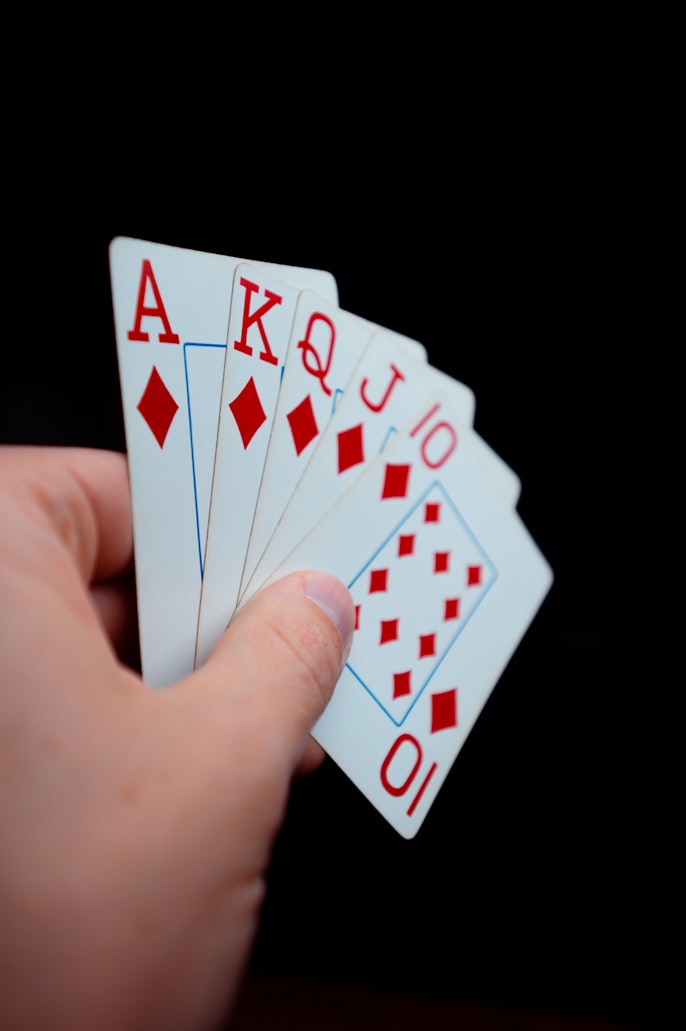
Moreover, the environment of a casino is meticulously designed to enhance this psychological response. The sounds of coins clinking, the flashing lights, and the overall ambiance are all intended to create a sensory overload that keeps players engaged. This reinforces the idea that a win could be just around the corner, compelling gamblers to take risks in hopes of that elusive jackpot.
The impact of social interaction
Casinos are not just places for solitary play; they are social hubs where interaction adds another layer to the gambling experience. The presence of other players and the excitement generated by group dynamics can significantly influence individual behavior. Players often feel a sense of camaraderie, cheering each other on during games, which can lead to increased betting and more aggressive gambling strategies.
Social proof also plays a critical role. Observing others win can create an impression that the environment is favorable, prompting players to gamble more. This psychological phenomenon can lead to a gambling behavior that is influenced by the actions of peers, thereby increasing the likelihood of making impulsive decisions that may not align with one’s financial capabilities.
Risk-taking behavior
Understanding the psychology behind risk-taking is essential in analyzing gambling behavior. Many individuals view gambling as a way to escape reality, which may lead to reckless decision-making. The thrill associated with risk-taking can be addictive, as it stimulates the brain’s reward system, releasing dopamine and providing a sense of euphoria. This can create a cycle where the initial excitement leads to increased risk-taking and potentially harmful gambling habits.
Additionally, the cognitive biases that gamblers possess, such as overconfidence in their abilities or the illusion of control, can exacerbate risky behavior. Players often believe they can influence outcomes, which encourages them to continue gambling even when faced with losses. This can lead to a distorted perception of reality, making it difficult for individuals to recognize when their gambling has become problematic.
The role of marketing and promotions
Marketing strategies in casinos are designed to exploit psychological triggers that compel individuals to gamble. Promotions, bonuses, and loyalty programs create an illusion of value that can lead to increased gambling frequency. These tactics play on the desire for instant gratification, enticing players to return in search of rewards and special offers.
Furthermore, advertising often glamorizes the gambling lifestyle, showcasing the potential for lavish winnings and luxurious experiences. This creates unrealistic expectations and can foster a mentality where individuals believe that gambling is a viable method for achieving financial success. Consequently, players may overlook the inherent risks and focus solely on the potential rewards, reinforcing problematic gambling behaviors.

Your guide to responsible gambling
Understanding the psychology behind gambling behavior can empower players to make informed choices. Our website serves as a valuable resource for individuals seeking a safer and more enjoyable gambling experience. We provide reviews of casinos that prioritize player safety and responsible gaming practices, ensuring that users have access to platforms that emphasize well-being.
By equipping players with knowledge about gambling behavior and its psychological aspects, we aim to foster an environment where individuals can engage in gaming responsibly. Whether you’re a seasoned player or new to the experience, our comprehensive guides and resources will help you navigate the world of gambling while maintaining control over your gaming habits.
